- The Wod - by Skyfit
- Posts
- How To Live Longer


Fitness, Your Wearable, & Longevity
Vol. 9
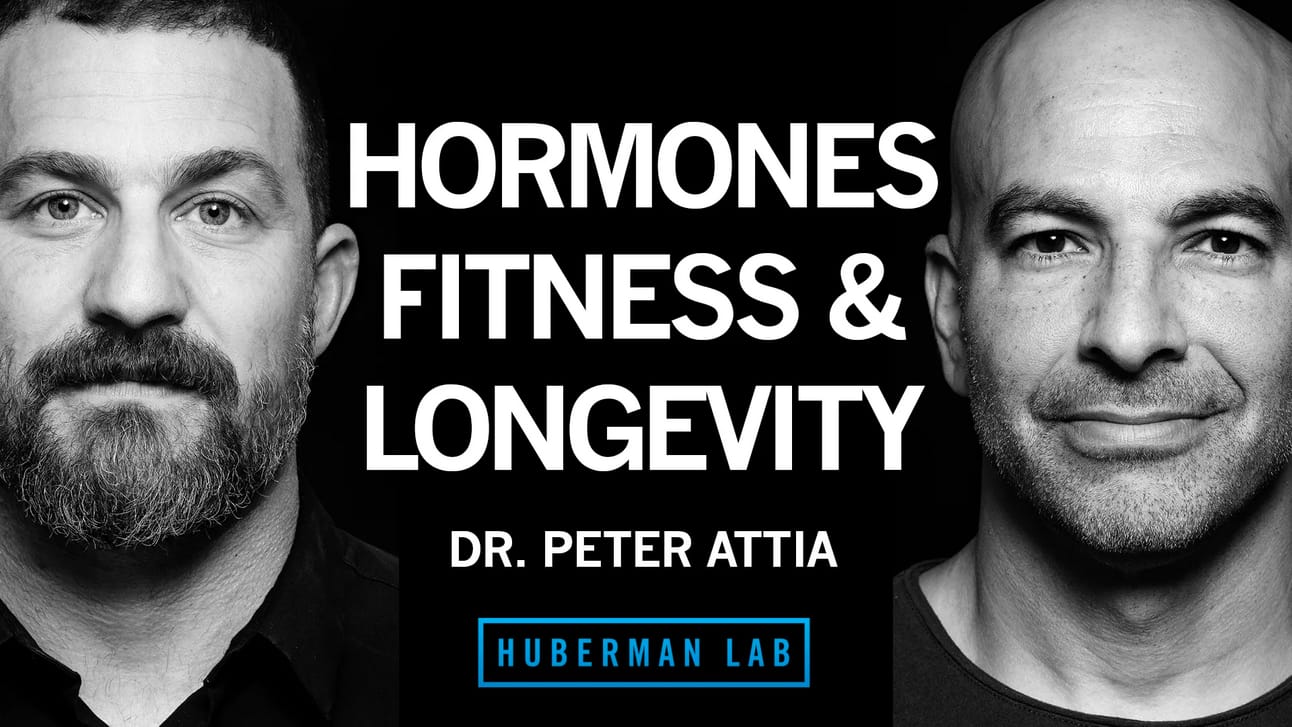
Check out Dr. Attia and Dr. Huberman talk Longevity on YouTube here
TL;DR
Millennials & Gen Z care more about longevity now, compared to their parents.
Metrics that correlate with longevity include HRV, sleep, activity, stress, and nutrition
Wearables fall short with accountability and personalization with your health data.
SkyFit has built FitReview to bring specialized insights and personalized coaching plans using your wearable data to help you focus on the most important part of your training: getting it done. Learn more & sign up to get early-access here.
1. The Rise of Longevity
Longevity: the length of a person’s life or the average lifespan of a population.
People are continuing to live longer than ever before. This is due to better access to medical care, better understanding of the need for social networks for long term health, and a culture shift focused on not surviving your golden years, but thriving throughout.
The Culture Shift
Several factors contribute to the surge in interest in health longevity among young adults:
Preventative Health: Many people aged 21-35 recognize the importance of early intervention to prevent chronic diseases and age-related health issues.
Quality of Life: They understand that it's not just about living longer but about living better with more openness to holistic care.
Wearable Technology: The proliferation of wearable devices has made it easier than ever to track and improve various health longevity metrics.
Hold that thought, what metrics?
2. Wearable Tech Metrics Tied to Health Longevity
Your Apple Watch, Garmin, Fitbit, Whoop, Oura ring, etc has more computing power than the Apollo 11 space shuttle or a supercomputer. This tool is your knight in shining armor for better, deeper health insights.
Metrics that Matter
1. Heart Rate / Heart Rate Variability (HRV): A resting heart rate within 60-100 BPM can be an indication of good cardiovascular health. If you’re an athlete, expect your BPM to be between 40-60 BPM.
HRV is a strong indicator of your body's ability to handle stress. High HRV is associated with better overall health and longevity. We have a few links in this article about how to interpret your HRV data.
2. Sleep Quality: Quality sleep is a cornerstone of a healthy life. Your wearable can provide insights into your sleep patterns, helping you identify areas for improvement.
3. Activity Levels: Consistent physical activity is linked to a longer and healthier life. Check out this YouTube to learn more about what activity level to strive for.
4. Stress Levels: Chronic stress can accelerate aging and is even linked to increase cardiovascular disease.
6. Nutrition Tracking: Some wearables and apps allow you to log your meals and monitor your daily calorie intake, helping you maintain a balanced diet. We recommend consulting with your physician or a licensed dietician to build a specific nutrition plan.
In section 3, we’ll discuss how to impact your longevity, now, with your wearable.
3. How To Impact Longevity - FitReview
While wearables have come a long way, they still lack the ability to provide easy-to-understand trends with game-plans specific to your goals.
In short, wearables lack the most important aspect to achieving your health goals: accountability.
We’ve noticed this, and SkyFit has built FitReview as part of our Sky:30 Fitness Challenge. FitReview brings specialized data insights, accountability, & personalized coaching (by us!) to focus on the most important metrics associated with your longevity that your wearable can’t.
- JT & Phil
P.S. Today’s Just The Tip - Get A Blood Test
For a great snapshot of your health that your wearable can’t measure, get a blood test and go over your results with your primary care doctor.
Blood tests are great ways to get ahead of many long term chronic conditions you can delay or avoid. A few readings to be particularly interested in are your Cholesterol levels (HDL / LDL), Triglyceride levels, and Testosterone levels (regardless of sex). We’ll dive deeper into this next week.
Want to learn more?
Something we missed or misspoke?
Want to hear on a specific topic?
Reply to us here and we’re happy to chat and help you learn more about your wearable.
Reply