- The Wod - by Skyfit
- Posts
- The Role of Wearables in Preventative Health
The Role of Wearables in Preventative Health
Leverage your insights for proactive health and wellness.

Joshua Berkowitz
December 06, 2023

The Role of Wearables in Preventative Health
Vol. 20
Calling all Office Athletes!!! We’re gathering our community for the Sky:30 fitness challenge. This fitness challenge includes:
Personalized 1:1 goal setting & workout programming
Online coaching & accountability sessions
Wearable Data Analysis to help make your fitness goals efficient, attainable, & fun!
Interested in having your wearable data analyzed, receiving specific insights and training recommendations, and getting better together? Fill out this form!
In This Article, We Will…
Explore how wearables play a vital role in preventative health
Highlight key metrics for early health detection
Navigating the Wellness Revolution
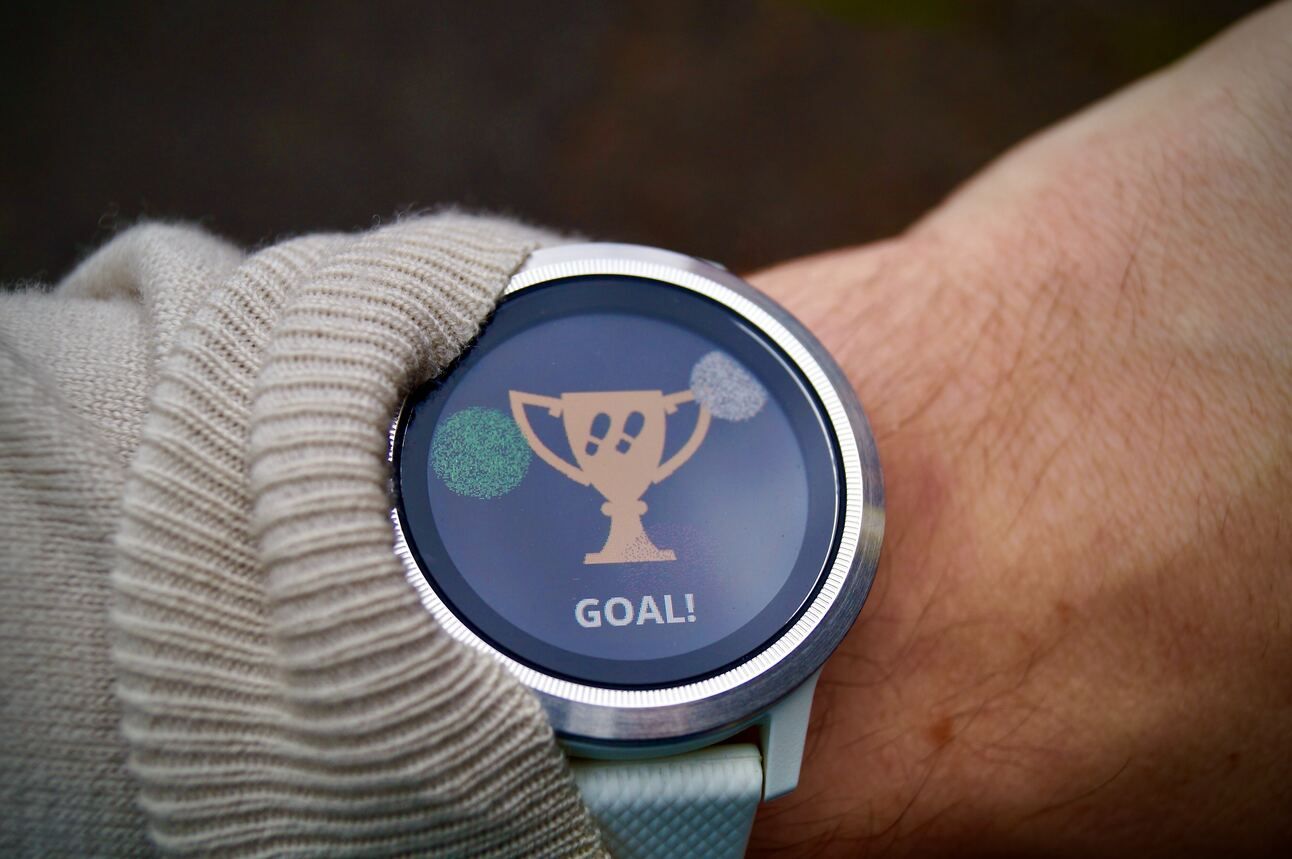
This week, we’re getting into the nitty gritty of how your nifty wearables aren’t just monitoring your steps but are actually playing a pivotal role in preventative health.
These devices contribute to early health issue detection and long-term health monitoring, empowering you to take charge of your well-being.
Here are the noteworthy metrics to pay attention to…
Metrics for Early Health Issue Detection
Heart Rate
Your heart rate is your heart’s version of a status update, giving a real-time indication of your cardiovascular well-being. Beyond just pulse tracking during exercise, your wearable monitors resting heart rate, which gives insights into overall heart health.
Sudden spikes or drops may signal stress, dehydration, or potential cardiovascular issues, providing an early warning system for proactive intervention.
VO2 Max
Your VO2 max measures your body's efficiency in using oxygen during intense exercise. Why does that matter? Regular tracking not only gauges your fitness levels but also serves as an early indicator of potential cardiovascular or respiratory issues.
If there’s a dip in your VO2 max, this is a red flag for potential issues with your heart or lungs. Prompt further investigation enables timely preventive measures to maintain optimal health. This metric is also a strong predictor of longevity, and improving VO2 max has been shown to improve life expectancy.
Sleep Patterns
Some wearables go beyond simply tracking sleep duration; they analyze sleep patterns to identify disruptions and irregularities.
Consistent poor sleep quality can contribute to various health issues like stress and eating disorders. Wearables can act as silent guardians by highlighting areas for improvement. Early detection of sleep-related concerns allows for targeted interventions and improved overall well-being.
Physical Activity Levels
Monitoring your overall daily activity levels provides a holistic overview of your health. Paying attention to your tracked steps, active minutes, and intensity offers a big-picture understanding of your physical well-being.
Sudden decreases in activity levels may indicate illness or fatigue, prompting users to take necessary steps for preventive care.
Long-Term Health Monitoring
Consistent Tracking and Trends
Wearables provide a continuous stream of data, facilitating the creation of a comprehensive health profile. They're like the journal you keep over the years, chronicling your health adventures.
Long-term trends offer valuable insights into overall well-being, allowing you to spot trends and proactively address potential health risks. Consistent tracking becomes a cornerstone for building a proactive approach to health.
Customized Health Goals
Setting and achieving personalized health goals is a key feature of your wearable. They adapt to your progress, providing continuous guidance and motivation.
As you accomplish and maintain these goals, your wearable can become a catalyst for long-term health, instilling a proactive mindset toward overall well-being.
Stress Management
Some wearables are also equipped to monitor stress levels through metrics such as heart rate variability (HRV). Chronic stress contributes to hypertension, heart disease, stroke, and various other health issues, making stress management a crucial aspect of preventative health.
Taking charge of your stress can have a profound impact on longevity. Research shows that individuals with strong emotional regulation and self-control skills have younger biological ages than those who do not. Proactive stress monitoring and management, guided by your wearable, will empower you to maintain a healthy balance in your life.
Community Support and Challenges
Beyond individual monitoring, most wearables have community platforms for competing with friends and sharing your activity. Engaging with like-minded individuals fosters a supportive environment, while community challenges encourage healthy competition and adherence to health goals.
The sense of community strengthens the preventive health journey, promoting a holistic approach to well-being.
In the world of preventative health, fitness wearables become essential companions on the journey to a healthier life. By leveraging metrics such as heart rate, VO2 max, sleep patterns, and more, these devices emerge as powerful tools for early health issue detection and long-term health monitoring.
Ready to unlock the full potential of your wearable data? Fill out this form, and we will show you how to turn your data into actionable insights for long-term health and wellness.
- JT & Phil
Want to learn more?
Something we missed or misspoke?
Want to hear about a specific topic?
Reply to us here and we’re happy to chat and help you learn more about your wearable.
Reply